

Best Practices for Implementing an Electronic Tendering System in a Mid-Sized Organization
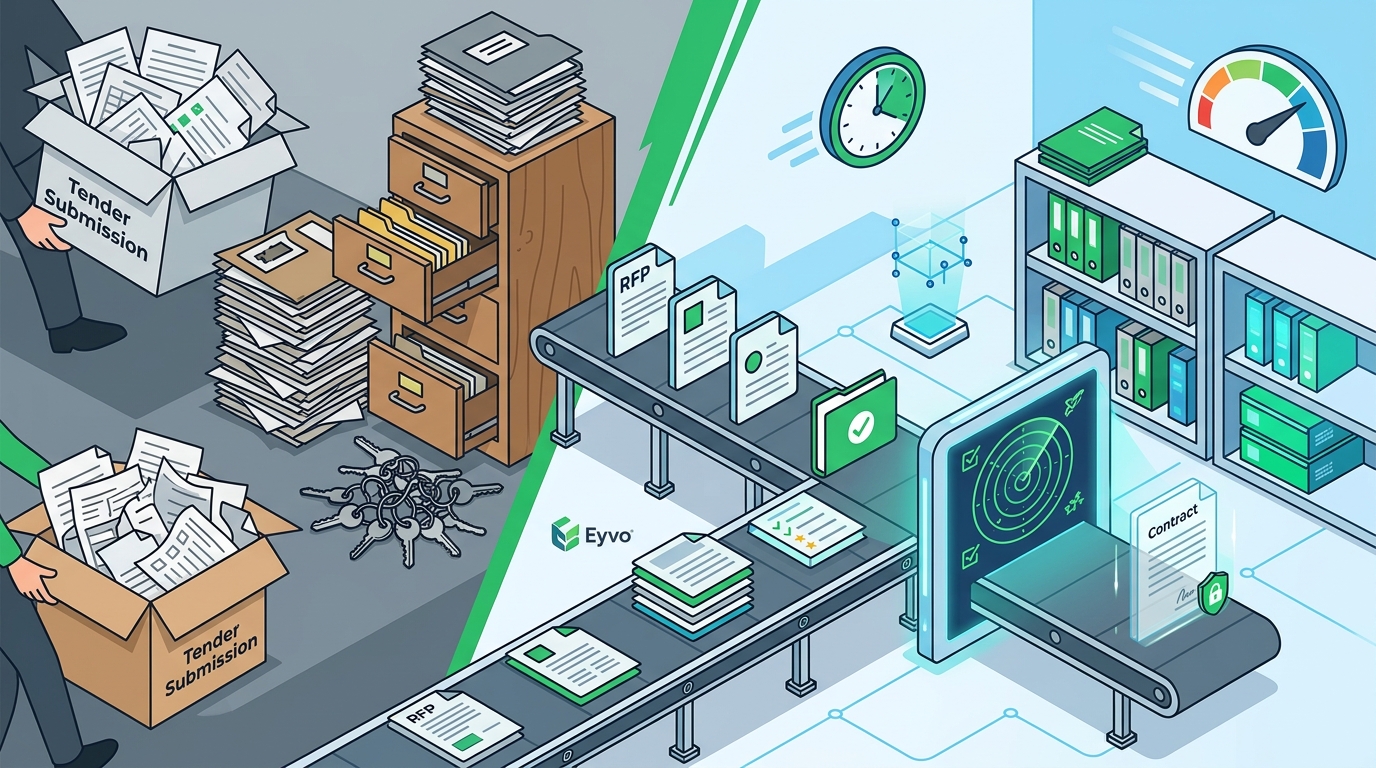
Mid-sized organizations face a unique procurement paradox. They have grown too large for manual spreadsheets yet lack the dedicated resources of global enterprises. According to recent industry analysis, companies that successfully digitize their tendering processes reduce procurement cycle times by an average of 40 percent. This statistic highlights the critical need for modernization. Without a structured approach, the transition to electronic tendering often leads to data silos, compliance risks, and vendor frustration. This guide outlines the definitive strategies for deploying a robust e-tendering platform that scales with your business.
Defining Core Tendering Requirements
Before selecting any software, you must map your current procurement workflow. Electronic tendering is the digital process of inviting suppliers to bid on contracts through an online platform. This definition clarifies that the tool is not just a document repository but an active workflow engine. Mid-sized organizations often struggle with scope creep during implementation. To avoid this, identify the specific pain points in your current manual process.
Are you losing track of bid deadlines? Is there a lack of transparency in how vendors are selected? Document these issues clearly. Your requirements should cover three main areas: functionality, scalability, and user experience. Functionality includes automated approval workflows and real-time budget visibility. Scalability ensures the system can handle increased transaction volumes as your company grows. User experience is critical because both your procurement team and external vendors must find the interface intuitive. If the system is too complex, adoption will fail regardless of its technical capabilities.
Selecting the Right eProcurement Platform
Choosing the correct software vendor is the most significant decision in your implementation journey. You need a platform that offers AI-driven spend management capabilities. AI-driven spend management uses artificial intelligence to automate purchasing workflows and reduce manual errors. This technology can reduce paperwork by up to 90 percent, allowing your team to focus on strategic sourcing rather than data entry.
When evaluating vendors, look for platforms that offer comprehensive modules. These typically include purchase order management, goods receiving, and inventory control. For example, a robust platform should allow you to generate purchase orders and invoices seamlessly. You can explore purchase order management features to ensure they align with your needs. Additionally, consider the platform's ability to handle specialized procurement scenarios if your industry has unique regulatory requirements.
Do not overlook the importance of a free demo or trial. Many providers offer a free invoice generator or similar tools to test their interface. Use these trials to assess the ease of use for both internal staff and external suppliers. A platform that is difficult for vendors to navigate will result in delayed bids and lower quality proposals. Ensure the vendor provides clear pricing structures that fit your budget without hidden fees for additional users or modules.
Integration with Existing ERP Systems
Mid-sized organizations rarely operate in a vacuum. Your e-tendering system must communicate with your existing Enterprise Resource Planning (ERP) software. ERP integration ensures that procurement data flows automatically between tendering platforms and financial systems. Without this integration, you risk creating data silos where information is trapped in one system and inaccessible to others.
Seamless integration provides real-time budget visibility. When a tender is approved, the system should automatically update your financial records. This prevents overspending and ensures that procurement decisions are aligned with your overall financial health. Look for platforms that integrate with major ERP providers. This compatibility reduces the technical debt associated with custom development.
Furthermore, integration extends to your approval workflows. Automated approvals ensure that tenders move through the necessary review stages without manual intervention. This speed is crucial in competitive markets where delays can result in lost opportunities. By connecting your tendering system to your broader operational ecosystem, you create a unified source of truth for all procurement data.
Streamlining Vendor Onboarding
The success of your electronic tendering system depends heavily on vendor participation. If onboarding is difficult, suppliers will hesitate to bid. Vendor onboarding is the process of registering and verifying new suppliers in your procurement database. A streamlined process reduces friction and encourages more competitive bidding.
Implement a self-service portal where vendors can register, upload certifications, and update their banking details. This reduces the administrative burden on your procurement team. Ensure that the platform supports multiple languages and currencies if you operate in global markets. Transparency is key. Provide clear guidelines on how vendors should submit their bids and what criteria will be used for evaluation.
Consider the lifecycle of the vendor relationship. Your platform should support ongoing performance management. Track metrics such as delivery times, quality of goods, and responsiveness. This data is invaluable for future tendering decisions. By treating vendors as partners and making the bidding process easy, you attract higher-quality suppliers who are willing to offer better terms.
Ensuring Compliance and Data Security
Procurement is a high-risk area for compliance violations and data breaches. Electronic tendering systems must adhere to strict security standards. Data security in procurement involves protecting sensitive financial and vendor information from unauthorized access. This is non-negotiable for maintaining trust and legal compliance.
Ensure your chosen platform offers robust encryption for data at rest and in transit. Audit trails are essential for demonstrating compliance during internal or external reviews. Every action taken in the system, from bid submission to award decision, should be logged. This transparency protects your organization from allegations of favoritism or corruption.
Additionally, consider the environmental impact of your procurement practices. Modern platforms often include tools to track carbon emissions associated with supply chain activities. This capability allows you to meet sustainability goals and report on your environmental footprint. Compliance is not just about avoiding penalties; it is about building a resilient and ethical supply chain.
Change Management and Training
Technology is only as good as the people who use it. Implementing a new e-tendering system requires significant change management. Change management is the structured approach to transitioning individuals and teams from current processes to new digital workflows. Without proper training, even the best software will fail to deliver value.
Develop a comprehensive training program for your procurement team. Cover all aspects of the system, from creating tenders to analyzing bid data. Provide role-specific training for other stakeholders who interact with the system, such as finance or legal teams. Use case studies and real-world scenarios to make the training relevant and engaging.
Communicate the benefits of the new system to the entire organization. Highlight how it will make their jobs easier and more efficient. Address concerns about job security by emphasizing that automation handles repetitive tasks, freeing up staff for strategic work. Continuous support and feedback loops are essential during the initial rollout. Monitor adoption rates and address any issues promptly to ensure a smooth transition.
Key Takeaways
- Automation Efficiency: AI-driven platforms can automate up to 90 percent of purchasing workflows, significantly reducing manual errors.
- Cycle Time Reduction: Digital tendering processes can reduce procurement cycle times by an average of 40 percent.
- ERP Integration: Seamless integration with major ERP systems is critical for real-time budget visibility and data integrity.
- Vendor Experience: A user-friendly vendor portal is essential for attracting high-quality bids and reducing administrative burden.
- Compliance: Automated audit trails and secure data handling are mandatory for regulatory compliance and transparency.
- Strategic Sourcing: Moving from transactional to strategic procurement requires robust data analytics and spend management tools.
- Change Management: Comprehensive training and clear communication are vital for successful system adoption across the organization.
Frequently Asked Questions
What is the primary benefit of electronic tendering for mid-sized companies?
The primary benefit is increased efficiency and transparency. It reduces cycle times and provides a clear audit trail for all procurement activities.
How does AI improve the tendering process?
AI automates repetitive tasks such as data entry and invoice matching, allowing procurement teams to focus on strategic decision-making and supplier relationships.
Is electronic tendering secure for sensitive contract data?
Yes, when implemented correctly. Reputable platforms use enterprise-grade encryption and secure cloud infrastructure to protect data from unauthorized access.
Can e-tendering systems integrate with existing accounting software?
Most modern e-procurement platforms offer seamless integration with major ERP and accounting systems to ensure financial data consistency.
What are the common challenges in implementing e-tendering?
Common challenges include resistance to change from staff, difficulty in onboarding vendors, and ensuring data migration accuracy from legacy systems.
How do I measure the success of my e-tendering implementation?
Success can be measured by tracking metrics such as cost savings, cycle time reduction, vendor participation rates, and user adoption levels.
Does electronic tendering support sustainability goals?
Yes, many platforms include features to track and report on carbon emissions and other sustainability metrics within the supply chain.
Next Steps
Transforming your procurement process is a strategic investment that pays dividends in efficiency, cost savings, and compliance. Do not let manual processes hold your mid-sized organization back. Take the first step toward modernization by exploring our comprehensive suite of tools. Contact us today to schedule a personalized demo and see how Eyvo can streamline your e-tendering operations. Visit our services page to learn more about our implementation support.