

Modern enterprises require seamless data synchronization between legacy financial architectures and modern purchasing platforms. Industry research indicates that organizations achieving full ERP procurement integration report a forty percent reduction in manual data entry errors across global supply chains. This operational shift eliminates redundant data reconciliation and establishes a single source of truth for all fiscal transactions. Companies adopting unified procurement ecosystems consistently report faster cycle times and improved vendor compliance. The following framework outlines the precise technical steps required to connect your existing enterprise resource planning infrastructure with a modern procurement management platform. (AI Powered eProcurement Software)
Understanding ERP Procurement Integration Architecture
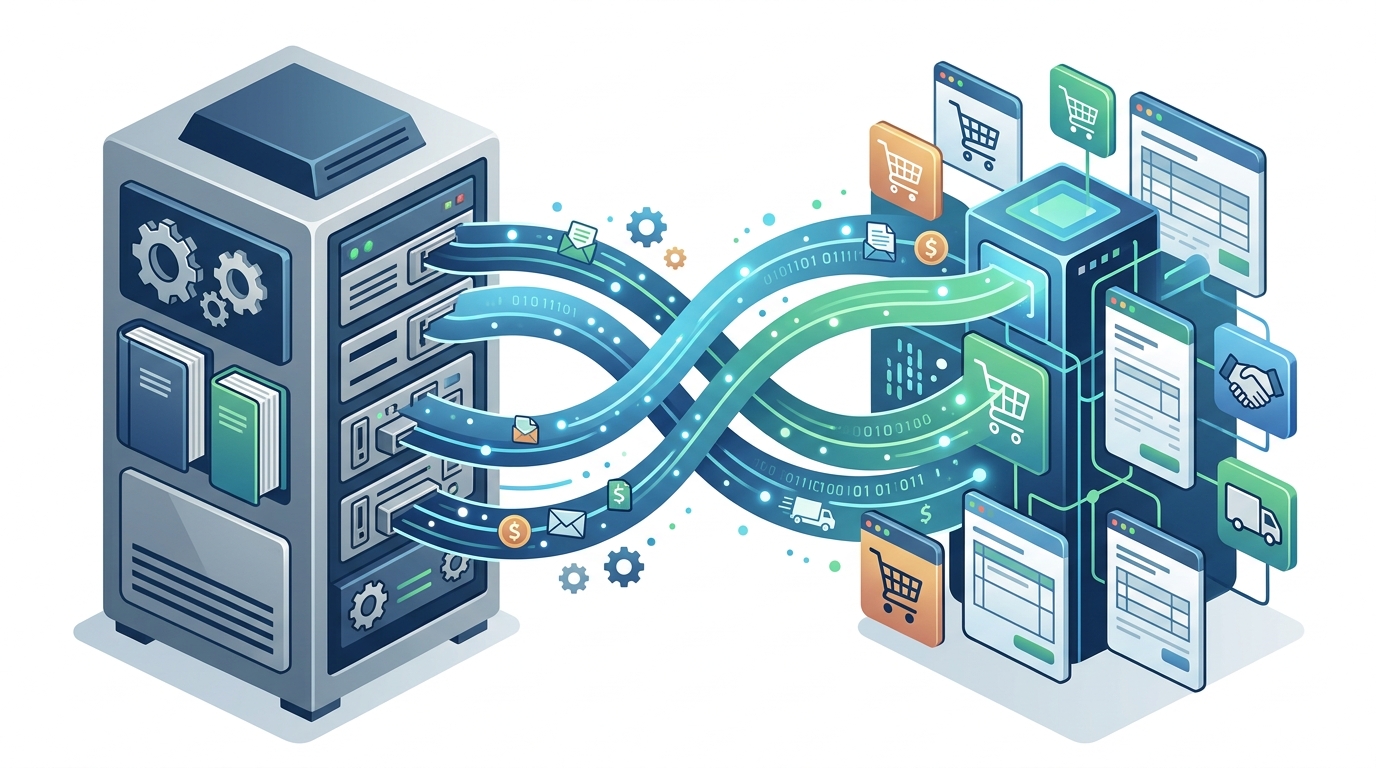
Enterprise resource planning systems serve as the central nervous system for corporate financial operations. An ERP procurement integration architecture defines the precise data exchange protocols between legacy databases and modern purchasing interfaces. Organizations must evaluate their current middleware capabilities before initiating any connection sequence. Most legacy platforms rely on RESTful API endpoints or direct database connectors to facilitate bidirectional data transfer. Procurement management tools function as specialized extensions that capture requisition data and push validated purchase orders directly into financial ledgers. This architectural alignment prevents data silos and guarantees that inventory levels reflect actual purchasing commitments.
Mapping Data Flows Between Legacy Systems and Modern Platforms
Successful integration requires a comprehensive audit of existing data mapping structures. Administrators must identify every touchpoint where requisition data transitions between departments. Mapping data flows between legacy systems and modern platforms ensures that vendor master records, pricing tiers, and budget codes sync without manual intervention. Modern platforms utilize advanced optical character recognition to extract invoice data and match it against original purchase orders. This automated matching process drastically reduces reconciliation delays and prevents payment discrepancies. Organizations should establish a dedicated integration sandbox to test data synchronization before deploying changes to production environments.
Configuring Automated Purchase Order Workflows
Workflow configuration represents the core operational value of any modern procurement platform. Administrators must define approval hierarchies that align with corporate governance policies. Configuring automated purchase order workflows eliminates manual routing delays and enforces strict budget compliance. The system automatically routes requisitions to designated stakeholders based on predefined spending thresholds. Once approved, the platform generates a standardized purchase order document and transmits it directly to the vendor portal. This seamless transmission guarantees that procurement teams maintain complete visibility into outstanding commitments.
Enabling Real-Time Invoice Matching and Approval Routing
Financial reconciliation remains one of the most time-consuming processes within traditional procurement cycles. Enabling real-time invoice matching and approval routing allows finance departments to process vendor payments with unprecedented accuracy. The platform automatically compares received goods against original purchase orders and flags any discrepancies for manual review. Administrators can configure multi-tier approval routing to ensure that high-value transactions receive executive sign-off. This structured approach prevents unauthorized spending and maintains strict audit trails for regulatory compliance.
Managing Multi-Entity Deployments Across Distributed Networks
Large enterprises frequently operate across multiple legal entities and geographic regions. Managing multi-entity deployments across distributed networks requires a centralized configuration framework that respects local regulatory requirements. The platform supports distributed legal entities while maintaining global spend visibility and standardized reporting metrics. Organizations can assign distinct currency settings, tax codes, and approval matrices to each regional branch. This centralized control prevents data fragmentation and ensures consistent procurement standards across all operational divisions.
| Integration Method | Technical Requirements | Implementation Complexity | Recommended Use Case |
|---|---|---|---|
| RESTful API Connector | Standardized endpoint authentication and JSON payload formatting | Low | Streamlined approval routing |
| Direct Database Sync | Read-only database credentials and scheduled batch processing | Medium | High-volume purchase order generation |
| Middleware Adapter | Enterprise service bus configuration and message queue management | High | Complex biotech supply chain tracking |
| Cloud-Native Integration | OAuth 2.0 authentication and webhook event listeners | Low | Real-time carbon emissions reporting |
Key Takeaways
- Organizations utilizing unified procurement ecosystems report a forty percent reduction in manual data entry errors.
- Modern platforms automate up to ninety percent of all purchasing workflows through intelligent routing.
- Direct database synchronization remains the preferred method for high-volume transaction environments.
- RESTful API connectors provide the fastest deployment timeline for standard enterprise architectures.
- Cloud-native integration frameworks support OAuth 2.0 authentication and webhook event listeners.
- Multi-entity deployments require centralized configuration to maintain global spend visibility.
- Advanced optical character recognition eliminates manual invoice reconciliation delays.
Frequently Asked Questions
What technical prerequisites are required before initiating an ERP procurement integration?
Administrators must verify API endpoint availability, establish secure authentication credentials, and map all vendor master records to the new platform. A dedicated integration sandbox should also be provisioned for initial testing.
How does automated purchase order generation impact vendor compliance?
Automated purchase order generation ensures that every vendor receives standardized, legally binding documentation. This consistency reduces payment disputes and accelerates order fulfillment cycles.
Can legacy financial systems support real-time invoice matching without middleware?
Most legacy financial systems require a lightweight middleware adapter to facilitate bidirectional data transfer. Direct database connections often lack the security protocols required for modern cloud environments.
What security protocols protect data during ERP procurement integration?
Enterprise-grade integration relies on OAuth 2.0 authentication, encrypted data transmission, and role-based access controls. These protocols ensure that sensitive financial data remains protected during transit.
How does multi-entity deployment affect global spend reporting?
Multi-entity deployment maintains global spend reporting by aggregating regional data into a centralized dashboard. Administrators can apply distinct currency settings and tax codes to each branch while preserving overall visibility.
Next Steps for Your Integration Project
Ready to streamline your purchasing operations? Schedule a personalized platform demonstration to explore how our solution aligns with your current infrastructure. Request a demo today and discover how automated procurement workflows can transform your enterprise operations.