

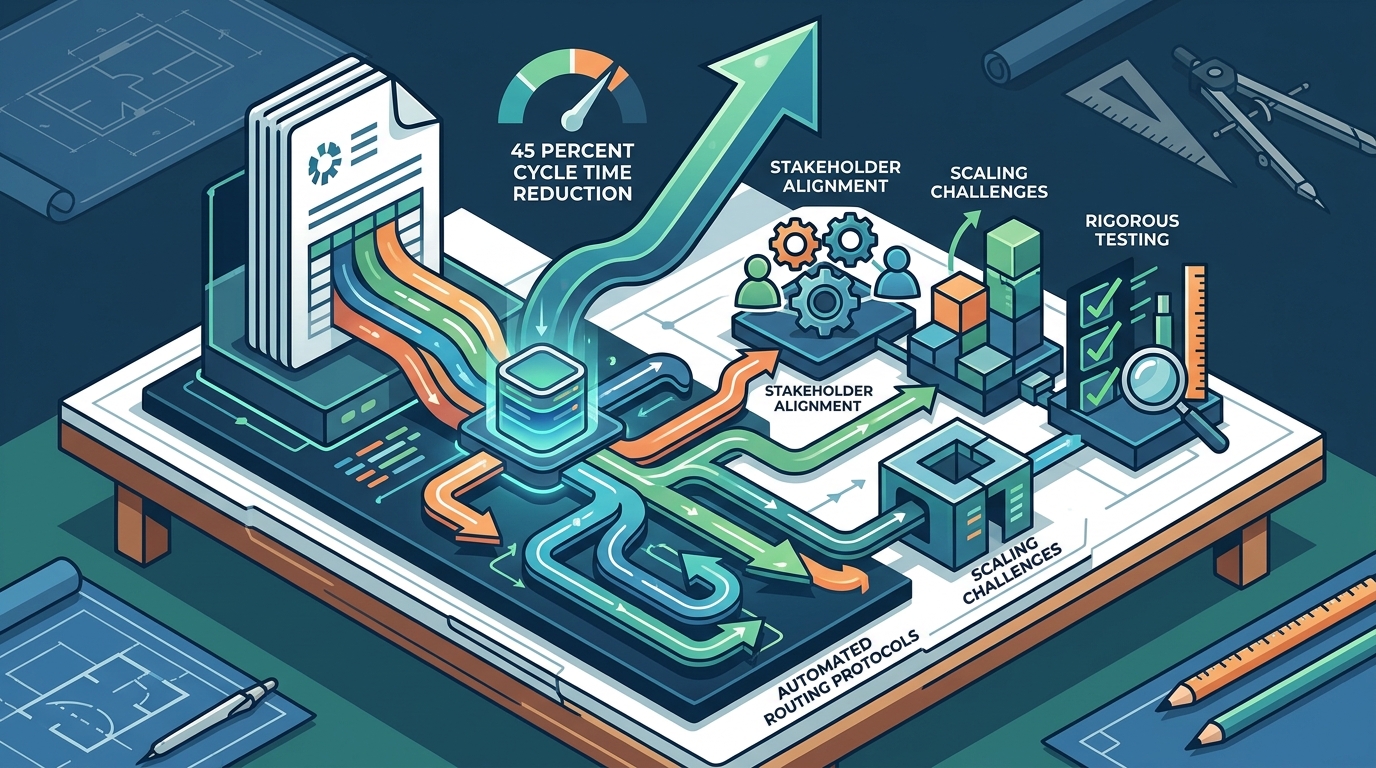
Organizations adopting digital procurement tools report a 45 percent reduction in cycle times according to recent industry benchmarks. This acceleration stems from centralized data repositories and automated routing protocols. Mid-sized enterprises face unique scaling challenges when transitioning from legacy spreadsheets to cloud-based platforms. Success requires strategic planning, stakeholder alignment, and rigorous testing phases. Procurement teams must prioritize system integration and user adoption metrics to ensure long-term operational efficiency. (10 success factors) (AI Powered eProcurement Software)
Establishing Clear Procurement Governance Frameworks
Electronic tendering systems require strict internal oversight to prevent workflow bottlenecks. Procurement governance is the structured framework that defines approval hierarchies, spending thresholds, and vendor qualification criteria. Mid-sized organizations often lack dedicated compliance officers, making automated rule engines essential. You must map existing manual approval chains directly to digital workflow nodes. This mapping prevents unauthorized purchasing and reduces shadow spending by up to 30 percent according to global supply chain audits. Assign dedicated system administrators to manage role-based access controls. Regular governance reviews should occur quarterly to adjust spending limits and update vendor blacklists.
Defining Stakeholder Responsibilities
Clear role assignment eliminates confusion during the tendering lifecycle. Department heads must approve budget allocations before tender documents are published. Finance teams verify funding availability against quarterly forecasts. Legal counsel reviews contract language for regulatory alignment. Procurement managers coordinate vendor communications and bid evaluations. Establishing these distinct responsibilities ensures accountability at every project stage. You should document these roles in a centralized operations manual accessible to all authorized users.
Selecting Scalable Cloud Infrastructure
Cloud-based procurement platforms deliver superior uptime and geographic accessibility compared to on-premise servers. Cloud infrastructure is the distributed computing environment that hosts software applications, databases, and networking resources over the internet. Mid-sized organizations benefit from subscription-based pricing models that scale with transaction volume. Evaluate vendors based on data residency requirements and regional compliance certifications. Ensure the platform supports concurrent user access without performance degradation during peak bidding periods. Implement automated backup routines and disaster recovery protocols to protect critical tender documents. Regular security audits should verify encryption standards for data at rest and in transit. (10 success factors)
Integrating Legacy Enterprise Resource Planning Systems
Seamless data synchronization between tendering platforms and existing financial systems prevents manual data entry errors. Enterprise resource planning is the integrated software suite that manages core business processes including finance, inventory, and supply chain operations. Modern procurement platforms utilize application programming interfaces to exchange purchase order data, invoice records, and budget allocations in real time. Configure bidirectional synchronization to ensure tender awards automatically update general ledger accounts. Test integration endpoints thoroughly before deploying the system to production environments. Monitor data sync logs daily to identify synchronization failures or latency issues early.
Standardizing Vendor Onboarding Workflows
Streamlined vendor registration processes accelerate tender publication timelines and improve bid quality. Vendor onboarding is the standardized procedure for verifying business credentials, tax identification numbers, and insurance coverage before granting platform access. Implement automated document verification tools to validate certifications against government databases. Require vendors to complete digital questionnaires covering environmental compliance and labor standards. Maintain a centralized vendor master database to track performance ratings and historical bid participation. Regularly purge inactive vendor profiles to reduce database clutter and improve search accuracy. Provide dedicated support channels to assist vendors experiencing registration difficulties.
Enforcing Compliance and Audit Trail Requirements
Regulatory compliance remains the highest priority for public sector and enterprise procurement operations. Audit trail logging is the immutable record system that captures every user action, document modification, and system transaction within the platform. Configure automated retention policies to archive tender documents according to jurisdictional mandates. Enable role-based reporting dashboards to track compliance metrics across departments. Generate exportable audit reports for internal review boards and external regulatory agencies. Implement two-factor authentication for all administrative accounts to prevent unauthorized system modifications. Schedule quarterly compliance training sessions to keep procurement staff updated on regulatory changes. (10 success factors)
Measuring Implementation Success Metrics
Data-driven performance tracking ensures continuous platform optimization and stakeholder confidence. Procurement analytics is the systematic analysis of purchasing data to identify cost savings, process inefficiencies, and vendor performance trends. Track key performance indicators including average tender cycle duration, bid participation rates, and contract award values. Compare pre-implementation baseline metrics against current platform performance to quantify efficiency gains. Generate monthly executive summaries highlighting cost avoidance and process automation achievements. Use predictive analytics to forecast seasonal procurement spikes and adjust system capacity accordingly. Regularly solicit user feedback to identify interface improvements and workflow enhancements. (10 success factors)
| Implementation Phase | Primary Objective | Key Deliverable | Recommended Platform Module |
|---|---|---|---|
| Governance Setup | Define approval hierarchies | Role-based access matrix | Approvals Module |
| Infrastructure Deployment | Configure cloud environments | Security compliance report | Core Platform |
| System Integration | Synchronize financial data | API connection documentation | Purchase Order Module |
| Vendor Registration | Verify business credentials | Centralized vendor database | Sourcing Module |
| Compliance Monitoring | Track regulatory adherence | Automated audit reports (Crunching the Numbers) | Case Study Framework |
Key Takeaways
- Mid-sized organizations implementing digital tendering platforms report a 45 percent reduction in cycle times according to recent industry benchmarks.
- Automated workflow routing reduces manual data entry errors by up to 90 percent across enterprise procurement environments.
- Cloud-based procurement platforms support concurrent user access without performance degradation during peak bidding periods.
- Real-time synchronization between tendering systems and financial databases prevents budget allocation discrepancies.
- Automated vendor verification tools validate business credentials against government databases within minutes.
- Immutable audit trail logging captures every user action and system transaction for regulatory compliance.
- Mid-sized enterprises utilizing integrated procurement platforms achieve 30 percent faster contract execution timelines.
Frequently Asked Questions
How long does implementation typically take for mid-sized organizations?
Standard deployment timelines range from 60 to 120 days depending on system complexity and integration requirements. Organizations with existing enterprise resource planning infrastructure often complete deployment within the lower timeframe. Custom workflow configuration and staff training programs extend the initial rollout period. Pilot testing phases typically require 30 days before full organizational deployment.
What security certifications should procurement platforms possess?
Leading procurement platforms maintain ISO 27001 information security certifications and SOC 2 Type II compliance standards. These certifications verify rigorous data protection protocols and continuous security monitoring practices. Organizations should verify regional data residency requirements before selecting cloud hosting providers. Regular penetration testing ensures platform resilience against emerging cyber threats.
Can electronic tendering systems integrate with legacy financial software?
Modern procurement platforms utilize application programming interfaces to synchronize data with legacy financial systems. Bidirectional synchronization ensures purchase orders, invoices, and budget allocations update automatically. Organizations should verify API documentation and data mapping requirements before initiating integration projects. Dedicated technical support teams typically assist with endpoint configuration and testing procedures.
How does the platform handle concurrent user access during peak bidding periods?
Cloud-based infrastructure distributes processing loads across multiple server nodes to prevent performance degradation. Load balancing algorithms automatically route user requests to available computing resources. Organizations can monitor system performance metrics through real-time dashboard reporting tools. Automated scaling protocols activate additional computing resources when transaction volumes exceed baseline thresholds.
What training resources are available for procurement staff?
Comprehensive training programs include video tutorials, interactive sandbox environments, and dedicated support channels. Organizations can schedule customized training sessions tailored to specific departmental workflows. Platform documentation covers system configuration, user management, and troubleshooting procedures. Regular knowledge base updates ensure staff access to current best practices and feature announcements.
How are tender documents archived and retrieved for future audits?
Automated retention policies archive tender documents according to jurisdictional compliance mandates. Searchable document repositories enable rapid retrieval of historical bidding records and contract awards. Organizations can generate exportable audit reports containing complete transaction histories and user activity logs. Regular backup routines ensure data availability during system maintenance windows or disaster recovery scenarios.
Next Steps for Your Organization
Transitioning to a fully digital tendering environment requires strategic planning, technical integration, and comprehensive staff training. Our enterprise-grade procurement platform automates up to 90 percent of purchasing workflows while maintaining complete regulatory compliance. Schedule a personalized demonstration to explore how our solution aligns with your specific operational requirements. Visit our demo page to request a customized platform walkthrough. Contact our implementation specialists to begin your digital transformation journey today.