

Modern procurement teams lose an average of 40 percent of their operational hours to manual supplier data entry and document verification. According to industry benchmarks, organizations that deploy automated onboarding platforms reduce processing time by up to 90 percent while eliminating critical compliance gaps. Industry benchmarks consistently demonstrate that manual workflows create bottlenecks that directly impact cash flow and vendor relationships. Enterprises must transition from spreadsheet-driven tracking to intelligent automation frameworks to maintain competitive agility. This guide outlines the exact configuration steps required to deploy a fully automated supplier onboarding system.
Understanding Supplier Onboarding Workflows
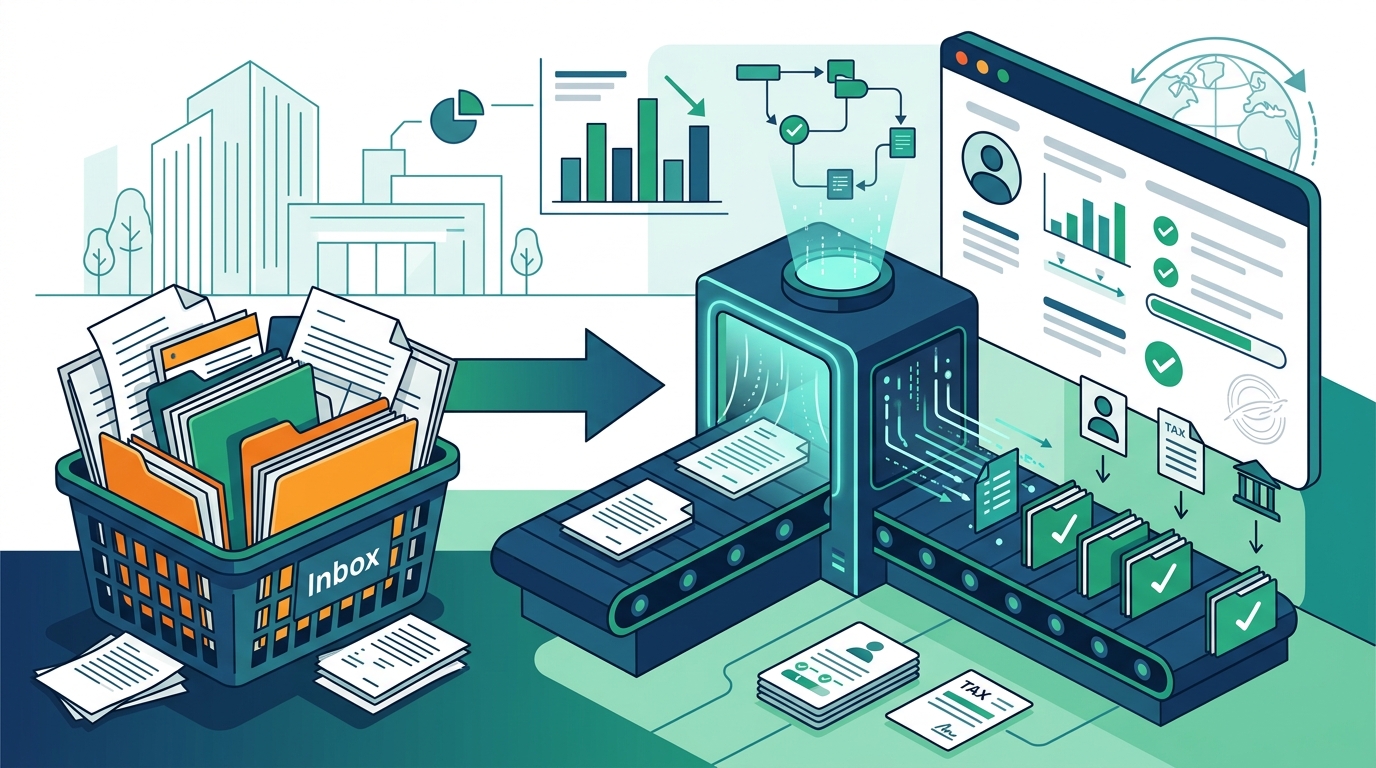
Supplier onboarding is the systematic process of verifying vendor credentials, collecting tax documentation, and establishing payment terms before the first purchase order is issued. Traditional onboarding relies heavily on email exchanges, PDF attachments, and manual data re-entry across multiple departments. This fragmented approach introduces severe data duplication risks and increases the probability of regulatory penalties. Procurement automation software resolves these friction points by centralizing document collection into a single secure portal. Organizations must map their current verification steps to identify redundant approval layers before deploying new technology.
Implementing Automated Data Capture Systems
Optical character recognition is the automated technology that extracts vendor details directly from uploaded certificates, business licenses, and banking forms. Automated extraction reduces data entry errors by approximately 85 percent compared to manual typing. The system cross-references extracted fields against internal master vendor databases to flag duplicates instantly. Administrators can configure custom validation rules that reject incomplete submissions before they reach the procurement team. This proactive filtering ensures that only fully compliant supplier records enter the active purchasing environment.
Configuring Multi-Level Approval Routing
Dynamic approval routing is the automated distribution of vendor records to designated stakeholders based on predefined risk thresholds and spending limits. Dynamic routing engines evaluate each submission against internal compliance matrices and external regulatory databases. The platform automatically assigns review tasks to finance directors, legal counsel, and category managers without manual intervention. Stakeholders receive real-time notifications containing complete documentation packages and risk scoring metrics. This structured workflow eliminates approval bottlenecks while maintaining complete audit trails for regulatory examinations.
Integrating Procurement with Existing ERP Ecosystems
Enterprise resource planning integration ensures that newly onboarded supplier records sync automatically with financial ledgers and inventory management modules. Seamless synchronization prevents data silos by maintaining a single source of truth across all operational departments. The platform maps vendor banking details, tax identification numbers, and payment terms directly to the core financial system. Procurement teams can generate purchase orders instantly using the validated supplier master data. This architectural alignment eliminates reconciliation delays and accelerates the entire procure-to-pay lifecycle.
Enforcing Compliance and ESG Verification Standards
Environmental, social, and governance compliance verification requires automated checks against global regulatory databases and industry-specific standards. Regulatory compliance mandates that organizations track carbon footprints, labor practices, and ethical sourcing metrics for every active vendor. The automation platform continuously monitors supplier certifications and flags expired documentation before contractual breaches occur. Procurement managers can enforce mandatory ESG questionnaires that must be completed before payment terms are activated. This proactive enforcement protects enterprise reputations while satisfying increasingly strict government reporting requirements.
Measuring Onboarding Efficiency and ROI
Performance metrics track the average time required to onboard a new vendor, the percentage of submissions requiring manual intervention, and the total cost per onboarding event. Efficiency metrics reveal that automated platforms consistently reduce onboarding cycles from weeks to mere days. Organizations can generate custom dashboards that visualize approval bottlenecks, document rejection rates, and vendor satisfaction scores. Finance leaders use these insights to renegotiate service level agreements and optimize internal resource allocation. Continuous monitoring ensures that the automation framework adapts to evolving business requirements and regulatory changes.
Core Automation Capabilities Comparison
| Feature Category | Manual Workflow | Automated Platform | Implementation Path |
|---|---|---|---|
| Data Entry | Manual typing and PDF parsing | AI-driven optical character recognition | Invoice automation |
| Approval Routing | Email chains and sticky notes | Dynamic risk-based distribution | Approval workflows |
| ERP Synchronization | Batch exports and reconciliation | Real-time bidirectional API mapping | Purchase order sync |
| Compliance Tracking | Calendar reminders and spreadsheets | Continuous regulatory database checks | ESG verification |
Key Takeaways
- Automated data capture reduces manual entry errors by approximately 85 percent across enterprise environments.
- Dynamic approval routing eliminates email bottlenecks while maintaining complete regulatory audit trails.
- Real-time ERP synchronization prevents data silos and accelerates the entire procure-to-pay lifecycle.
- Continuous compliance monitoring flags expired certifications before contractual breaches occur.
- Organizations report an average 90 percent reduction in onboarding cycle times after platform deployment.
- Custom validation rules reject incomplete submissions before they reach procurement stakeholders.
- Centralized document portals improve vendor satisfaction while reducing administrative overhead costs.
Frequently Asked Questions
How does automated supplier onboarding handle document verification?
The platform utilizes optical character recognition to extract vendor details directly from uploaded certificates, business licenses, and banking forms. The system cross-references extracted fields against internal master vendor databases to flag duplicates instantly. Administrators configure custom validation rules that reject incomplete submissions before they reach the procurement team.
What happens when a supplier submits incomplete documentation?
The automation framework automatically pauses the onboarding workflow and notifies the vendor through a secure self-service portal. The system highlights missing fields and provides direct links to required regulatory forms. Procurement teams receive real-time alerts regarding submission status without manual follow-up.
Can the platform integrate with legacy financial systems?
Yes, the architecture supports bidirectional API mapping with major enterprise resource planning solutions. Vendor banking details, tax identification numbers, and payment terms sync automatically with core financial modules. This synchronization prevents data silos and maintains a single source of truth across all departments.
How does the system manage multi-jurisdictional compliance requirements?
The platform continuously monitors supplier certifications against global regulatory databases and industry-specific standards. Automated checks verify carbon footprints, labor practices, and ethical sourcing metrics for every active vendor. Procurement managers enforce mandatory questionnaires that must be completed before payment terms are activated.
What metrics should procurement leaders track during implementation?
Performance dashboards track the average time required to onboard a new vendor, the percentage of submissions requiring manual intervention, and the total cost per onboarding event. Finance leaders use these insights to renegotiate service level agreements and optimize internal resource allocation. Continuous monitoring ensures the automation framework adapts to evolving business requirements.
Does automated onboarding support specialized industry verticals?
Yes, the platform offers specialized configuration modules for biotechnology, manufacturing, and public sector procurement. Custom validation rules adapt to industry-specific regulatory frameworks and certification requirements. Organizations can deploy tailored workflows that align with their unique operational compliance standards.
Next Steps for Implementation
Transitioning to a fully automated supplier onboarding framework eliminates manual data entry bottlenecks while strengthening regulatory compliance. Enterprise-grade platforms provide the exact configuration tools required to deploy secure, scalable procurement workflows. Schedule a personalized demonstration to explore how automated data capture and dynamic approval routing can transform your vendor management operations. Request a demo today to access comprehensive implementation guides and pricing structures.