

Best Practices for Implementing an Electronic Tendering System in a Mid-Sized Organization
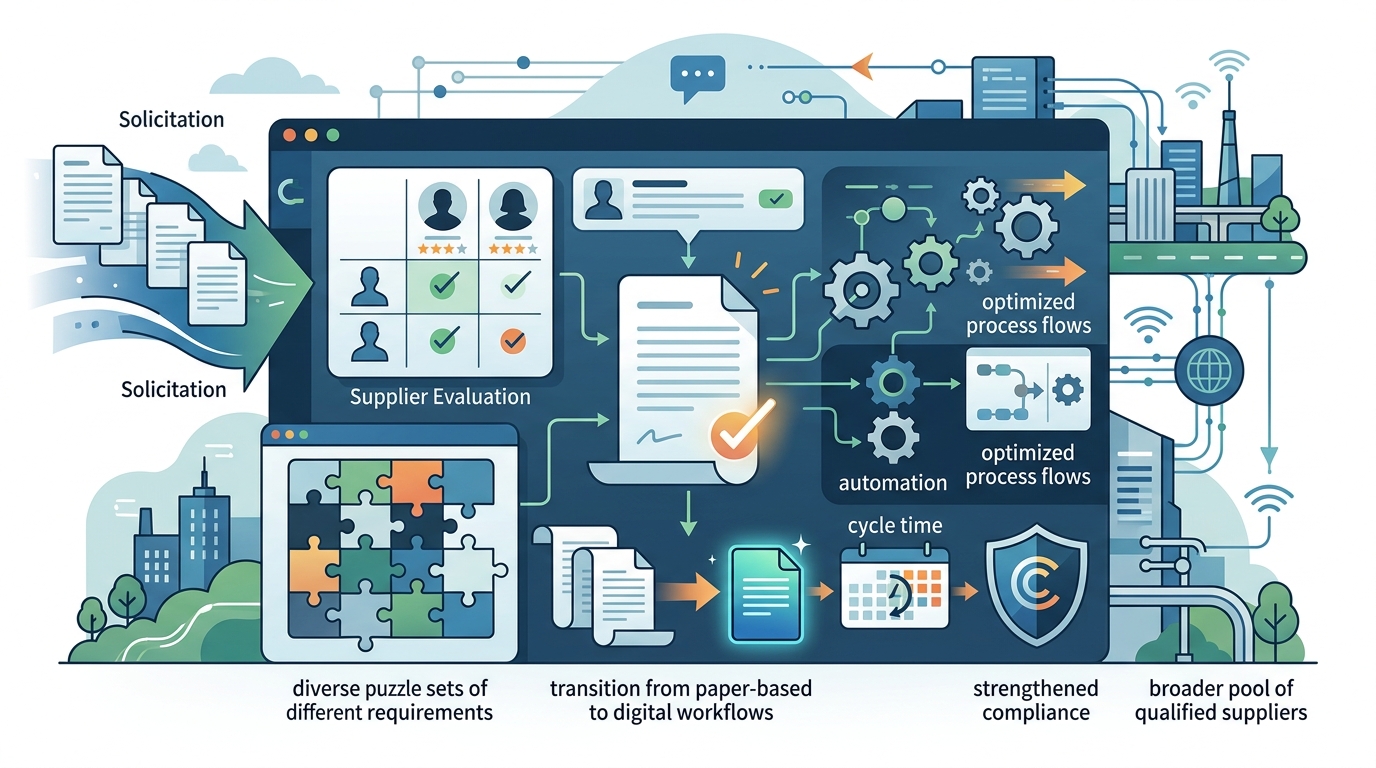
An electronic tendering system is a digital platform that automates the process of soliciting, receiving, and evaluating supplier bids entirely online. For mid-sized organizations, moving from paper-based tendering to a digital workflow can slash procurement cycle times by up to 50%, strengthen compliance, and open the door to a broader pool of qualified suppliers. However, a successful rollout requires strategic planning, the right technology partner, and ongoing optimization. This guide walks you through proven best practices so your e-tendering implementation delivers measurable results from day one.
1. Define Clear Procurement Objectives
Every successful e-tendering implementation starts with a thorough needs assessment. Before evaluating any software, identify your current procurement pain points and determine exactly where electronic tendering can add value.
Audit Your Current Process
Map out every step of your existing tendering workflow. Manual tender processes can take three months or longer, which is costly for both buyer and supplier organizations, according to Medius. Document bottlenecks such as slow bid collection, inconsistent evaluation criteria, or scattered supplier communications.
Set Measurable KPIs
Define what success looks like. Common KPIs include time-to-contract, cost savings per tender cycle, supplier participation rates, and compliance scores. Align these metrics with your broader strategic procurement goals so the system supports organizational objectives rather than just digitizing paperwork.
2. Choose the Right E-Tendering Platform
Platform selection is the foundation of successful digital tendering. A mid-sized organization needs a solution that balances robust functionality with ease of use and affordable total cost of ownership.
Key Features to Evaluate
| Feature | Why It Matters for Mid-Sized Orgs |
|---|---|
| RFx Management (RFI/RFP/RFQ) | Centralizes all bid solicitation types in one module |
| Automated Bid Evaluation | Removes subjective scoring; ensures fair comparison |
| Supplier Portal | Gives vendors self-service access to submit and track bids |
| ERP Integration | Eliminates duplicate data entry across finance and procurement |
| Cloud-Based Hosting | Lowers IT overhead; enables remote access |
| Audit Trail and Reporting | Supports compliance and continuous improvement |
Eyvo's RFx module covers the full solicitation lifecycle, from publishing requirements to scoring responses, and integrates natively with its vendor portal so suppliers can participate without friction.
3. Standardize Your Tendering Workflows
A workflow is a defined sequence of steps that a tender must pass through from creation to contract award. Standardizing these steps ensures consistency, reduces human error, and makes audits straightforward.
Create Templates and Evaluation Criteria
Use pre-built tender templates that enforce mandatory fields for specifications, timelines, and scoring criteria. Digital forms guide suppliers in providing necessary information clearly, which leads to more objective assessments based on data rather than interpretation. Pair templates with multi-level approval workflows to enforce governance at every stage.
Centralize Document Management
All tender documents should live in a single, secure repository. A centralized electronic document repository that includes requirements documents, digital tender documents, contracts, and purchase orders works well for contract management and project oversight. This eliminates version-control chaos and ensures every stakeholder works from the same information.
4. Integrate with Existing ERP and Procurement Systems
An e-tendering platform that operates in isolation creates data silos. Integration is the process of connecting your tendering tool with finance, ERP, and procurement systems so that data flows automatically between them.
Look for solutions that support standard integration protocols like REST APIs, cXML, or EDI. Eyvo's integration module connects with major ERP systems so that awarded contracts can flow directly into purchase orders without re-keying data. This reduces errors and accelerates the procure-to-pay cycle.
5. Prioritize Security and Regulatory Compliance
E-tendering handles sensitive commercial data, so security cannot be an afterthought. Modern e-tendering platforms use end-to-end encryption, multi-level authentication, and secure cloud infrastructures to protect bid data, as noted by Tacto.
Essential Security Measures
Implement role-based access controls so only authorized personnel can view or modify tender documents. All data transfers should be encrypted, and access rights managed granularly. Schedule regular security audits and compliance checks to maintain the highest standards. Organizations operating across the UK and US should also ensure GDPR and CCPA alignment. Learn more about securing eProcurement systems for practical tips.
6. Train Teams and Drive User Adoption
Technology alone does not guarantee success. Insufficient digital skills among employees or suppliers can impair the effectiveness of electronic tendering, especially in mid-sized companies where procurement teams wear multiple hats.
Invest in structured procurement training that covers both the platform interface and the new standardized processes. Run pilot tenders with a small group before rolling out company-wide. Gather feedback, refine workflows, and create quick-reference guides. The goal is to make e-tendering a natural extension of daily operations rather than an unwelcome disruption.
7. Measure Performance and Optimize Continuously
Once live, track your KPIs religiously. A medium-sized production company that adopted electronic tendering reduced procurement time from six weeks to ten days and achieved 18% cost savings, according to a Tacto case study. The investment typically pays for itself within 12 to 18 months through process optimization.
Use built-in reporting and analytics dashboards to identify which tender categories perform well and which need process tweaks. Review supplier participation rates each quarter to ensure you are attracting competitive bids.
Key Takeaways
- Start with a thorough audit of existing procurement workflows before selecting any platform.
- Choose a cloud-based e-tendering solution with native RFx management, supplier portals, and ERP integration.
- Standardize tender templates and evaluation criteria to ensure fairness and consistency.
- Integrate your e-tendering system with ERP and finance tools to eliminate data silos.
- Enforce end-to-end encryption, role-based access, and regular security audits.
- Invest in hands-on training and pilot programs to drive user adoption across the organization.
- Track KPIs like time-to-contract and cost savings to measure ROI and guide continuous improvement.
Frequently Asked Questions
What is an electronic tendering system?
An electronic tendering system is a digital platform that facilitates the complete tendering process, from advertising the requirement through to placing the contract, including the exchange of all relevant documents in electronic format.
How long does it take to implement e-tendering for a mid-sized organization?
Most cloud-based platforms can be deployed in 4 to 12 weeks depending on the number of integrations, user training requirements, and workflow complexity. Eyvo offers guided implementation services to accelerate this timeline.
What cost savings can we expect?
Organizations commonly report 10% to 20% procurement cost savings after adopting e-tendering. One documented case showed 18% savings alongside a reduction in procurement time from six weeks to ten days.
How does e-tendering improve transparency?
All stakeholders gain simultaneous access to the same information, and every action is time-stamped in a full audit trail. This fosters accountability and minimizes potential conflicts or bias in the bidding process.
Can e-tendering integrate with our existing ERP system?
Yes. Modern platforms support REST APIs, cXML, and EDI protocols. Eyvo's integration module connects with most major ERP and finance systems out of the box.
What security features should we look for?
Prioritize end-to-end encryption, multi-factor authentication, role-based access controls, and regular third-party security audits. Cloud platforms built on enterprise-grade infrastructure like AWS provide superior data security and high availability.
How do we get suppliers to participate in e-tendering?
Use a self-service vendor portal that simplifies registration, bid submission, and real-time communication. Provide clear instructions and offer support during the first few tender cycles to build confidence.
Is e-tendering suitable for all procurement categories?
E-tendering works well for most categories, though effectiveness may vary based on project size and complexity. Organizations often start with high-volume, standardized categories and expand to more complex tenders over time.
Ready to Modernize Your Tendering Process?
Eyvo's AI-powered eProcurement platform gives mid-sized organizations everything they need to run transparent, efficient, and compliant tender processes. From RFx management to automated bid evaluation and full ERP integration, every module is designed to save time and reduce costs. Request a free demo today and see how quickly your team can go live.