

Electronic Tendering System: Best Practices for Mid-Sized Organizations
Implementing an electronic tendering system can transform how a mid-sized organization sources suppliers, evaluates bids, and awards contracts. Electronic tendering, or e-tendering, is the process of using online procurement platforms to solicit bid tenders and evaluate suppliers digitally. With the global e-procurement tools market projected to grow from $11.2 billion in 2024 to $33.6 billion by 2033, the shift to digital tendering is no longer optional. This guide walks you through the best practices that help mid-sized teams adopt e-tendering with confidence, speed, and measurable ROI.
What Is an Electronic Tendering System?
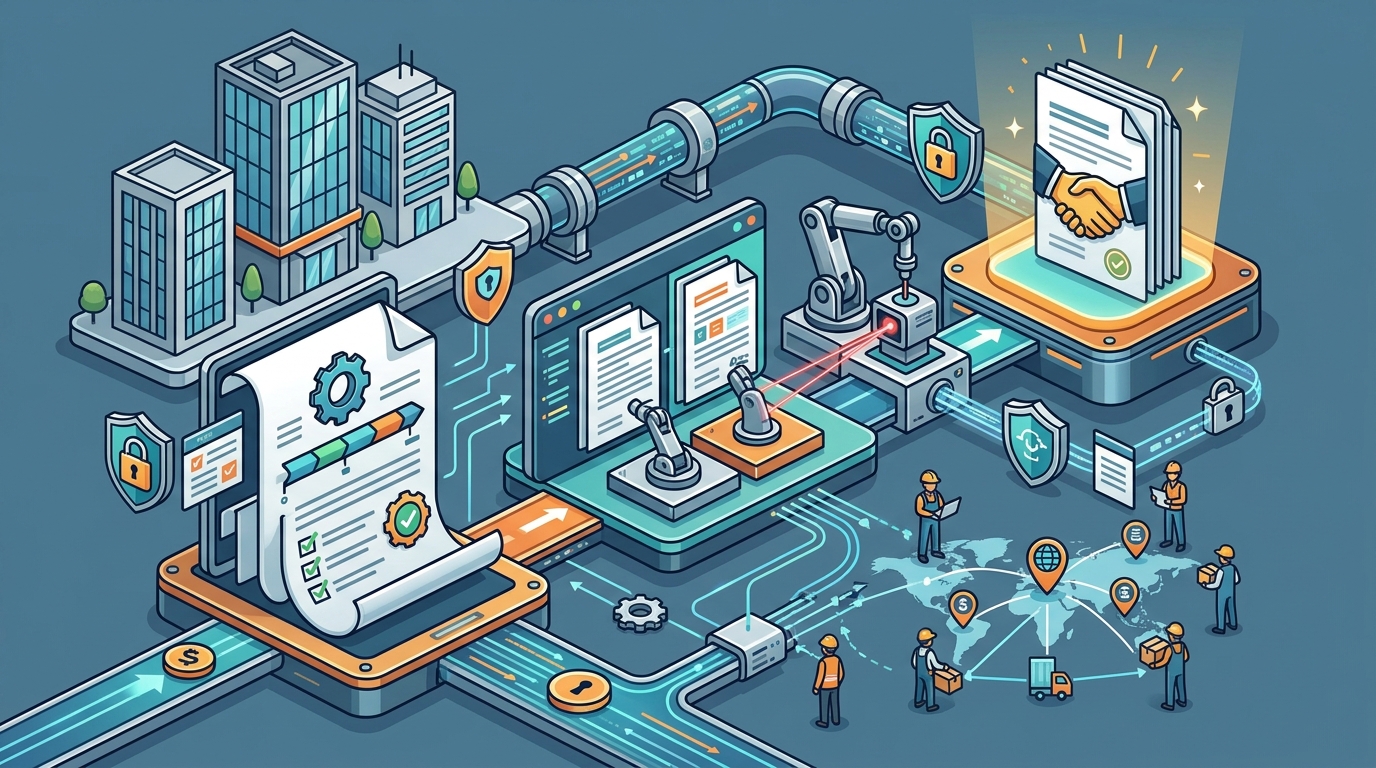
An electronic tendering system is a digital platform that facilitates the complete tendering process, from advertising a requirement through to placing a contract, entirely online. It replaces paper-based workflows with secure portals where organizations publish tender documents and suppliers submit proposals electronically.
E-tendering is an essential part of e-procurement that streamlines sourcing by automating bid solicitation, document exchange, and supplier evaluation. The centralized document repository it creates supports stronger contract management and full audit trails.
Why Mid-Sized Organizations Need E-Tendering
Mid-sized organizations often face a unique tension: procurement volumes are large enough to demand structure, yet budgets and headcount remain limited. Manual tender processes can take three months or longer, which is costly for both buyer and supplier organizations.
E-tendering levels the playing field. A medium-sized production company that adopted digital tendering reduced procurement time from six weeks to ten days while achieving 18% cost savings and improved supplier diversity, according to Tacto research. Cloud-based procurement software modules let mid-sized teams access enterprise-grade functionality without enterprise-grade complexity.
| Factor | Traditional Tendering | Electronic Tendering |
|---|---|---|
| Processing Time | 6-12 weeks | 1-3 weeks |
| Paper and Printing Costs | High | Eliminated |
| Supplier Reach | Local/regional | Global |
| Bid Evaluation | Manual, subjective | Automated, criteria-based |
| Audit Trail | Fragmented | Centralized and timestamped |
| Error Rate | Higher (manual entry) | Lower (digital validation) |
Define Clear Objectives and KPIs
Every successful implementation starts with clarity. Before selecting any technology, document exactly what you want to achieve. Common objectives include reducing procurement cycle times, improving compliance, and enhancing supplier management capabilities.
Align KPIs With Business Goals
Your KPIs should connect directly to broader organizational priorities. If cost reduction is the focus, track metrics like cost per purchase order, procurement cost avoidance, and savings per tender cycle. If speed matters most, measure requisition-to-award time.
Benchmark Current Performance
Capture baseline data on how long tenders take today, how many suppliers respond, and what errors occur. Without a benchmark, you cannot prove the value of your new system to leadership.
Choose the Right Platform
Selecting the right e-tendering platform is the foundation of successful digital tenders. Prioritize solutions that are cloud-based, integrate with your existing ERP or accounting systems, and offer role-based access controls.
A platform like Eyvo's procurement software provides end-to-end functionality, from purchase requisitions to supplier portals, within a single cloud-native environment. Look for features such as automated bid evaluation, real-time messaging, and a centralized document repository.
Integration Is Non-Negotiable
Siloed data and disconnected workflows are a primary cause of e-procurement failure. Your digital procurement solution must integrate effectively with existing finance, ERP, and inventory systems to promote consistency and reduce risk.
Prioritize Stakeholder Engagement
Involving all relevant stakeholders is crucial for the success of e-tendering reforms. Failing to engage stakeholders adequately can lead to resistance and challenges in the adoption process, as the World Bank has documented in its procurement research.
From procurement officers to finance heads and end-users, involve key participants from day one. Suppliers also need early communication. Smaller businesses may lack advanced IT capabilities, so consider how your e-procurement approach accounts for SME suppliers alongside larger national vendors.
Invest in Training and Change Management
Change management is a make-or-break factor. A Levvel Research and Coupa survey found that the most common barrier to e-procurement adoption was procurement teams feeling their current processes already worked. Overcoming that inertia requires structured change management.
Role-Based Training
Provide hands-on training tailored to user roles. Procurement teams need deep workflow knowledge, finance departments need reporting insights, and suppliers need portal onboarding guides. Initial training alone is not enough; ongoing education keeps skills current as the platform evolves.
Communicate the "Why"
Clearly articulate the benefits of the new system, address resistance to change, and provide ongoing support. When people understand that e-tendering reduces their administrative burden rather than adding to it, adoption accelerates.
Ensure Security and Compliance
Security is foundational. Modern e-tendering platforms use end-to-end encryption, multi-level authentication, and secure cloud infrastructures. All data transfers should be encrypted, and access rights must be managed at a granular level.
Compliance is equally critical. Electronic tendering systems ensure adherence to legal requirements through integrated compliance functions that automatically monitor and document tendering guidelines. The U.S. Department of Defense, for example, uses PKI (public key infrastructure) security to protect e-tendering data. Mid-sized organizations should adopt similar principles: regular security audits, role-based permissions, and audit-ready documentation.
Measure Results and Optimize Continuously
Implementation is not a one-time event. Use built-in analytics and dashboards to track KPIs like approval times, cost savings, and supplier performance. These insights help identify performance gaps and facilitate continuous improvement.
The investment in an e-tendering system typically pays for itself within 12 to 18 months through process optimization and cost savings. Schedule quarterly reviews to refine workflows, update evaluation criteria, and incorporate user feedback. Explore Eyvo's latest platform updates to stay current with new automation capabilities.
Key Takeaways
- Electronic tendering replaces slow, error-prone paper processes with automated, transparent digital workflows.
- Mid-sized organizations can reduce procurement timelines by up to 50% and achieve significant cost savings.
- Define clear objectives and measurable KPIs before selecting any platform.
- Choose a cloud-based solution that integrates with your existing ERP and finance systems.
- Engage stakeholders early, including internal teams, leadership, and suppliers of all sizes.
- Invest in role-based training and a structured change management plan to drive adoption.
- Treat implementation as an ongoing process: measure, review, and optimize quarterly.
Frequently Asked Questions
What is an electronic tendering system?
An electronic tendering system is a digital platform that manages the entire tendering lifecycle online, from publishing bid requirements to evaluating supplier proposals and awarding contracts.
How much does it cost to implement e-tendering for a mid-sized organization?
Implementation costs typically range from $10,000 to $100,000 depending on platform choice and company size. Ongoing license and training costs apply, but the investment usually pays for itself within 12 to 18 months.
What are the biggest challenges of adopting e-tendering?
Common challenges include resistance to change from staff comfortable with manual processes, the need for training, potential technical integration issues, and ensuring robust cybersecurity measures are in place.
How does e-tendering improve transparency?
All stakeholders gain simultaneous access to the same information on a centralized platform. Every bid submission is timestamped, every evaluation is criteria-based, and the full audit trail is digitally preserved.
Can small suppliers participate in e-tendering?
Yes. E-tendering improves accessibility by enabling suppliers of all sizes and geographies to compete on a level playing field, often leading to more competitive bids and improved supplier diversity.
How long does implementation typically take?
For a mid-sized organization, a phased rollout generally takes 8 to 16 weeks, including platform configuration, data migration, user training, and pilot testing before full deployment.
Does e-tendering integrate with existing ERP systems?
Most modern e-tendering platforms offer integration with major ERP and financial systems. This is essential for eliminating data silos and ensuring consistent workflows across departments.
What security features should I look for?
Prioritize end-to-end encryption, multi-factor authentication, role-based access controls, regular security audits, and compliance with relevant data protection regulations.
Ready to Modernize Your Tendering Process?
Switching to an electronic tendering system does not have to be complex. With the right platform and a structured implementation plan, your mid-sized organization can cut procurement timelines, reduce costs, and build stronger supplier relationships. Request a free demo from Eyvo to see how a cloud-native procurement platform can streamline your tendering from day one.